Sal Pane is a fascinating young man who has a lot of interesting things to say about Pitt’s MFA program in Creative Writing, cats, Italy, Japan, filmmaking, monkeys, bad fashion, and whiskey. We hope you’ll be able to join us for this raucously intellectual event.
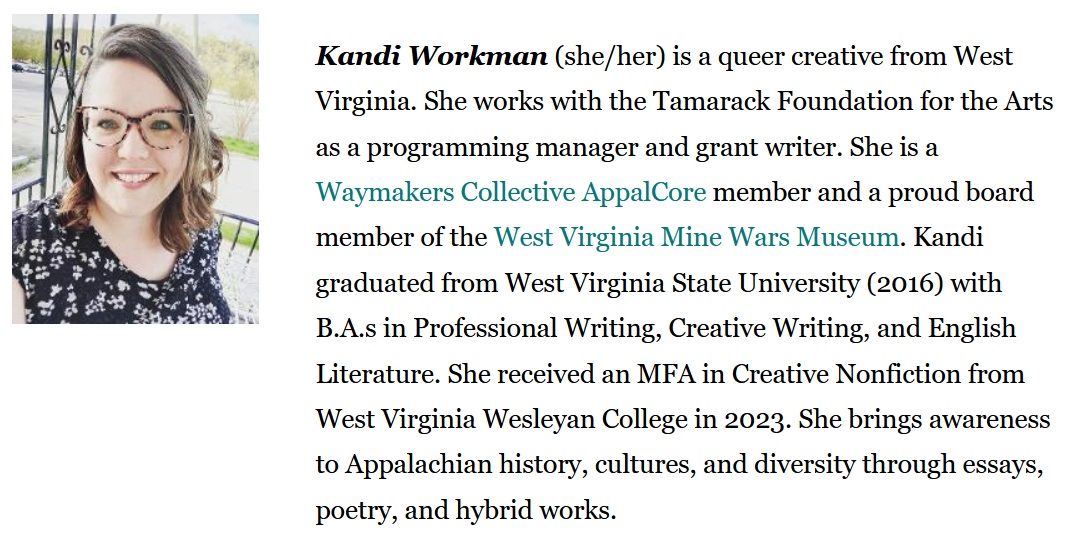
Congratulations to program alum Kandi Workman, who has been nominated for a Pushcart Prize for her nonfiction piece “Ice Cream,” published in Still: The Journal.
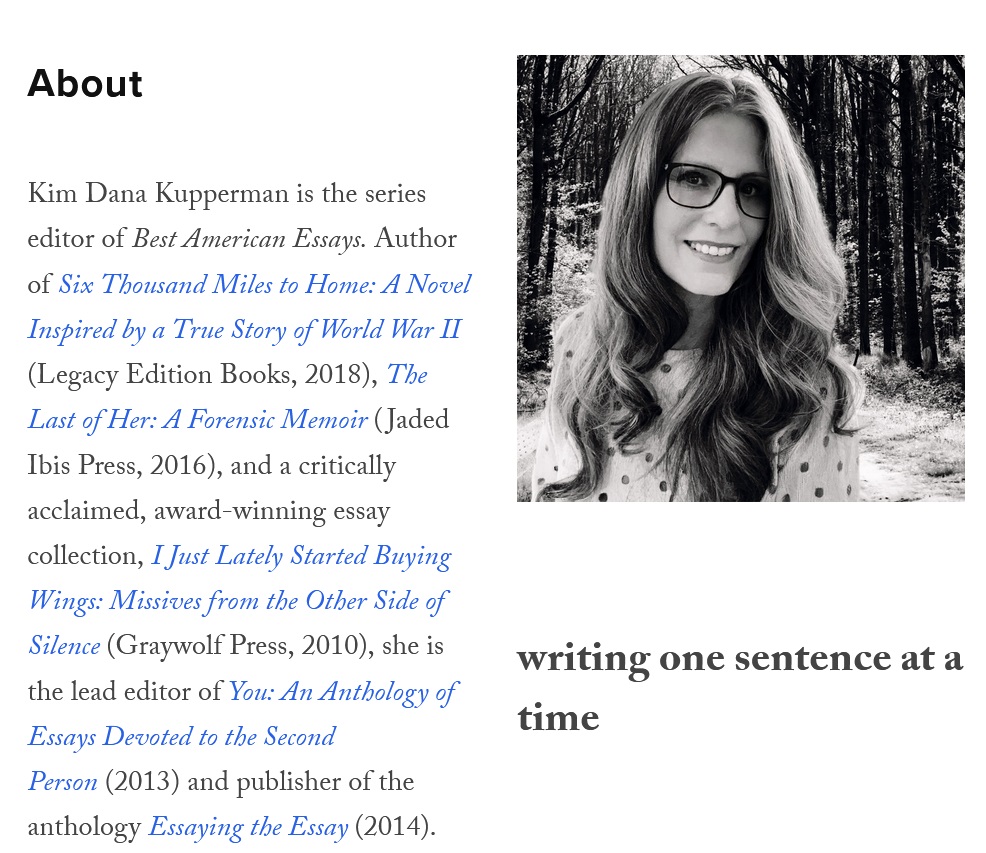
Kim Dana Kupperman, former nonfiction professor and long-time friend of the MFA program, has been named series editor for The Best American Essays. This important annual series highlights the best nonfiction being published in the United States.
In case you didn’t receive Autumn House’s email (or in case you’re late to Giving Tuesday), here’s the appeal I wrote for them:
A famous author once said that writing books isn’t hard; no, the hard part is enduring the life of a writer. As a youngster, I didn’t understand what “the life of a writer” really meant. Then, I got a smartphone with an email app, which meant I got a little notification ping each time a publisher rejected my novel. It’s a real treat when you’re on a date, or riding alone on a Port Authority Bus, illuminated by its merciless fluorescent lights. In the rain. By my count, this has happened to me at least seventy-nine times. So far. And yet, I’ve published two books. And, thanks to my books, I have secured teaching jobs, received and awards, and perhaps most excitingly, I managed to meet (Pittsburgh-born!) author Celeste Ng and interview her onstage in Pittsburgh a few months ago.
During the interview I asked her a question that’s been on my mind since the pandemic: “What does it mean to make art in the face of calamity?” She admitted to feeling helpless as an artist in the long winter of 2020. “But,” she said, “then I realized that I was turning to art for comfort, just like everyone else, and maybe I was looking for answers about coping during difficult times.” I think we were and still are all wondering what it means to be human, full, and part of a community.
And, I’m writing to you because today I think writing matters and is essential to this pursuit.
During the interview I asked her a question that’s been on my mind since the pandemic: “What does it mean to make art in the face of calamity?” She admitted to feeling helpless as an artist in the long winter of 2020. “But,” she said, “then I realized that I was turning to art for comfort, just like everyone else, and maybe I was looking for answers about coping during difficult times.” I think we were and still are all wondering what it means to be human, full, and part of a community.
And, I’m writing to you because today I think writing matters and is essential to this pursuit.
It’s hard to express how much comfort I’ve sought—and found—through literature in the past few years. Even though I can now leave my house, I’m still amazed by how all that reading affected me.
I joined the board at Autumn House Press because I’d seen AHP editors Christine Stroud and Mike Good at literary and volunteer events in Pittsburgh for years, and knew the important work Autumn House was doing for the literary community. During my time on the board, I’ve gained a deeper appreciation for their labor and craft. Being an editor means you’re part cheerleader, part therapist, part teacher, part artisan, and part small-business owner. It takes a special kind of person to endure that workload. Moreover, there’s a subtle art to editorial work, and this is where Christine and Mike excel.
It’s been wonderful to see folks like Pittsburgh-based poet and teacher Cameron Barnett flourish with Autumn House and win awards on a national stage. On a personal note, I was blown away by the Faulknerian prose in Kevin Honold’s Molly, which received national praise, including a rave review in The Wall Street Journal, and I could spend pages rhapsodizing about Wendy Wimmer’s Entry Level. For years, Christine and Mike had the ability to spot talent, especially writers overlooked by major publishing houses. Without small presses like Autumn House, bookstores would be packed with focus-tested blockbuster novels with film-adaptation or movie franchise possibility. I weep for such a world.
As with all good things in life, it takes a lot of work behind the scenes to foster and create quality, lasting work. As a writer, I’ve been reminded again and again that the magic isn’t free, but the journey is worth it. That’s certainly the case for the folks standing behind the writers each step of the way. I hope you’ll join me in supporting Autumn House Press.
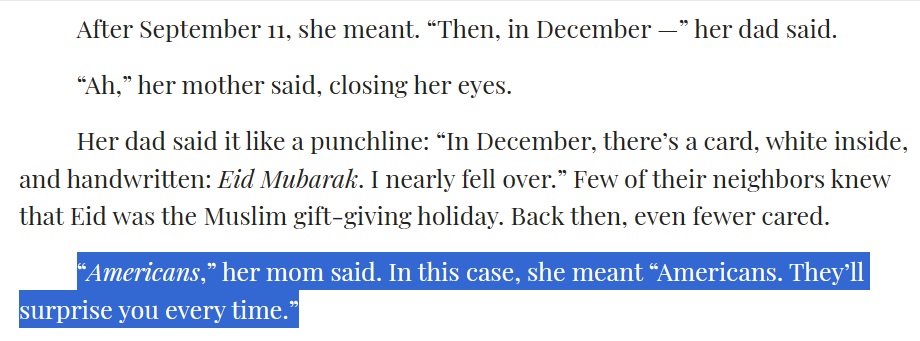
This one’s had a long journey to publication, but I’m so happy it’s finally found a home. “Eid Mubarak” is live on On The Seawall, long one of my favorite journals.
A visit to the Trans-Allegheny Lunatic AsylumJessica Handler giving a craft lecture on combining words and images in nonfictionDoug Van Gundy’s poetry craft lecture on “Argot”Jacinda Townsend’s craft lecture on “Gyroscopic Characterization”Jacinda giving a craft lecture on Appalachia and stigma
Please allow me to follow up on my last Wesleyan post with a few more brags about the MFA program at which I teach. One metric of an MFA program is the accomplishments of its students and staff. Recently, our own Brett Gordon Bratton won Jack Wild Publishing’s 2023 Chapbook contest. Alum Gabriel Rogers won first place in Boulevard’s 2022 Nonfiction Contest for Emerging Writers with his mysteriously-titled essay “68091.”
On a faculty front, Jacinda Townsend was longlisted for the 2023 Mark Twain American Voice in Literature. Her most recent book Mother Country is also a nominee for the 2023 Hurston/Wright Legacy Award. Our fearless program director Doug Van Gundy recently published a powerful essay in Guernicaabout climate change and flooding in Appalachia. He also has a piece in the anthology What Things Cost, which focuses on labor and features writing from Natalie Diaz, Ocean Vuong, Reginald Dwayne Betts, Gerald Stern, and Jericho Brown.
Faculty member Jessica Handler’s essay “Permanent Record” is a “Notable” in this year’s Best American Essays. It originally appeared in Full Grown People.
While I’m at it, I’d be remiss not to mention recent accomplishments by Wesleyan College students: my former student Joelle McDonald won a statewide writing contest judged by Ann Pancake. I recently learned that my Twitter friend James Tate Hill is a Wesleyan alum. Hill’s memoir Blind Man’s Bluff is a New York Times Editors’ Choice and a Washington Independent Review of Books Favorite Book of the year.
There’s something special about Buckhannon, which has produced writers such as Irene McKinney and Jayne Ann Phillips. In Joy Castro’s memoir “Hungry,” she mentioned visiting our campus and finding the inspiration to enroll in college and pursue a career as an academic.
Anyway, if you’d like more info, please don’t hesitate to email me or contact me on Twitter. The program’s official website is here.
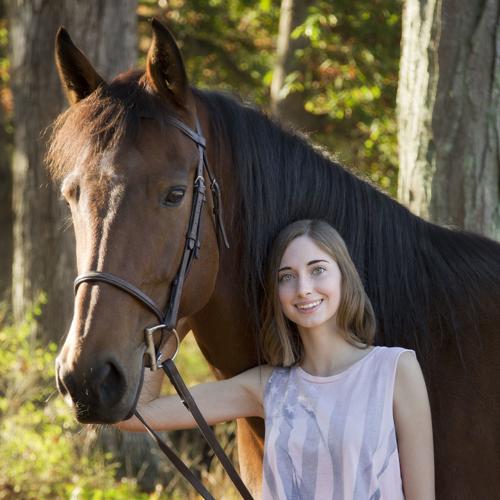
I couldn’t be prouder to share this news about a former student, Joelle McDonald (right), who has won the 2023 West Virginia Fiction Competition, sponsored by Shepherd University’s Center for Appalachian Studies and Communities. McDonald won first place for her story “A Mourner.”
The judge of this statewide contest was none other than Ann Pancake, a writer and educator who is herself the recipient of the Whiting Award, The Pushcart Prize, and the Appalachian Heritage Writer’s Award.
I always knew Joelle was brilliant and talented, and it’s wonderful to see others catching up. Joelle was a bio major at Wesleyan who’s now attending grad school and studying neuroplasticity. When she was in my class, I knew she’d go on to accomplish great things. I just didn’t know she’d do it this quickly. You can read more about the contest and all the winners here.
If this letter were only about Gettysburg Review, I’d keep it private. However, what’s happening with the journal is part of a national trend. To my mind, cutting literary journals and academic presses is penny-wise and pound-foolish. Hopefully, the letter below explains how.
Dear President Iuliano,
Although I lived in Pennsylvania from 1992-2016, I’m pretty sure I’d never heard of Gettysburg College. It didn’t have a Division I basketball or football team, and if someone did mention it, I probably assumed it was a little college obsessed with Civil War studies and promptly dismissed it.
Years later, I ran into Mark Drew at a writing conference in Pittsburgh. He was representing the Gettysburg Review, which I had actually heard of, since it’s an upper-tier literary journal. I didn’t know the journal was associated with the college; after that, the college’s name took on a bit of a shine. It was more than just a battlefield. Mark talked up the college–especially the outstanding faculty and community. I decided to apply for the Emerging Writer Lecturer position and was accepted in 2018.
Teaching at Gettysburg College was a highlight of my career. I was blown away by the area and the faculty (many of whom I’m still in contact with today). I did some of my best teaching work there, and one of my students won the Earl Kresge Stock Writing Prize with an essay she’d written in my class. In fact, I enjoyed my time at Gettysburg so much it’s the only employer I’ve ever donated money to.
After accepting a tenure-track professorship position, I continued to work as a staff member at Gettysburg Review. Mark Drew and Lauren Hohle were wonderful mentors, and I appreciated how they reached out to continue a long-term relationship even after I’d left campus. Such relationships are important for intellectual communities and institutional advancement, as shown by a recent $10 million gift from a GC English major last week.
As you can tell, I’m passionate about Gettysburg Review, which is more than a shiny intellectual bauble. It’s an important recruitment tool (especially for prospective students and faculty). The journal’s rich history adds luster to the college’s reputation.
More importantly, as someone who teaches in West Virginia, I’m seeing an existential battle play out in higher education. I believe that in the near future and beyond, parents will want to send their kids to prestigious colleges that truly value intellectual concerns and the liberal arts. As you know, these are foundational and endlessly adaptable skills that matter even more in a constantly shifting career landscape. Colleges that shift to a ROI-based vo-tech-y model will be a faceless, interchangeable mass. A dime a dozen.
With each issue, Gettysburg Review brings intellectual heavy-hitters into the fold and shouts the college’s name into a national literary discourse. As far as student service goes, the journal also sponsors student internships, which provide unique and irreplaceable real-world experience (especially in Adams County). I’m not a huge sports fan, but I did grow up in the 90s and recall a colorful basketball player named Dennis Rodman. It’s hard to measure his actual value to the team, since he didn’t score many points. However, he was invaluable on the court as a rebounder and was a big part of that team’s championship run. There are many such athletes whose contributions are invaluable but difficult to measure. For example, when Troy Polamalu was not on the field, the Steelers’ stats dropped noticeably.
I understand that college administrators have difficult jobs, and I understand the pressure that can accompany budgets and expenses. However, when making momentous decisions such as these, I hope you can include all the intangibles into your calculations.
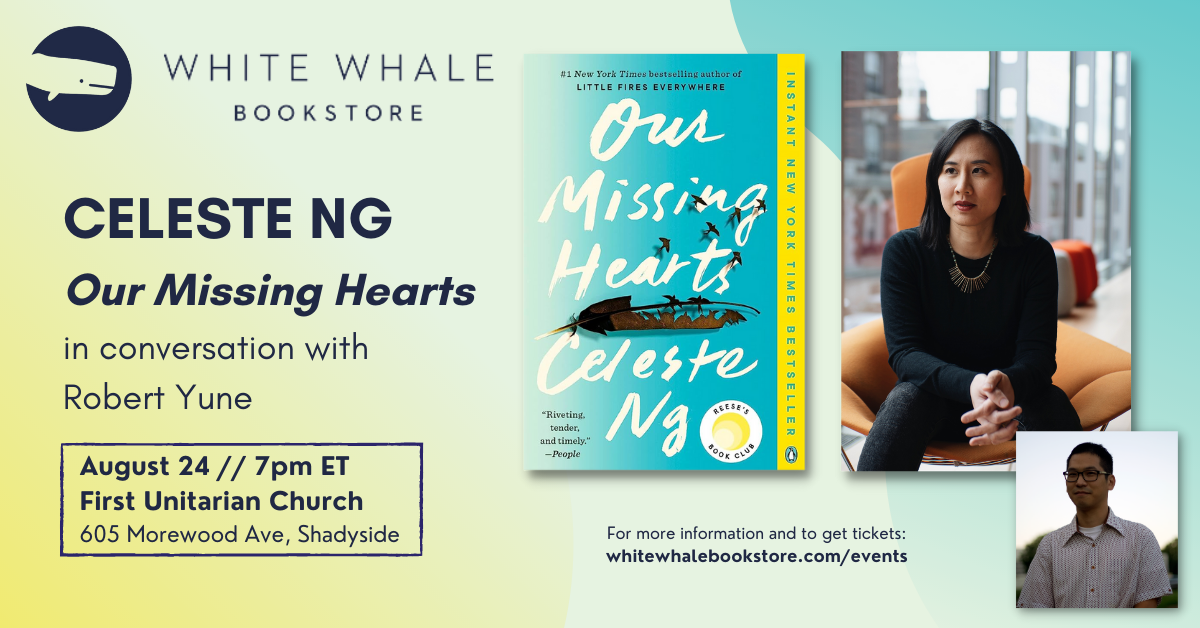
If you’re in or around Pittsburgh, I hope you can join us for this event. It’s a wonderful, timely, and urgent book, and I’m looking forward to chatting with Celeste about Pittsburgh, AI, empathy, libraries, etymology, fairy tales, and more.
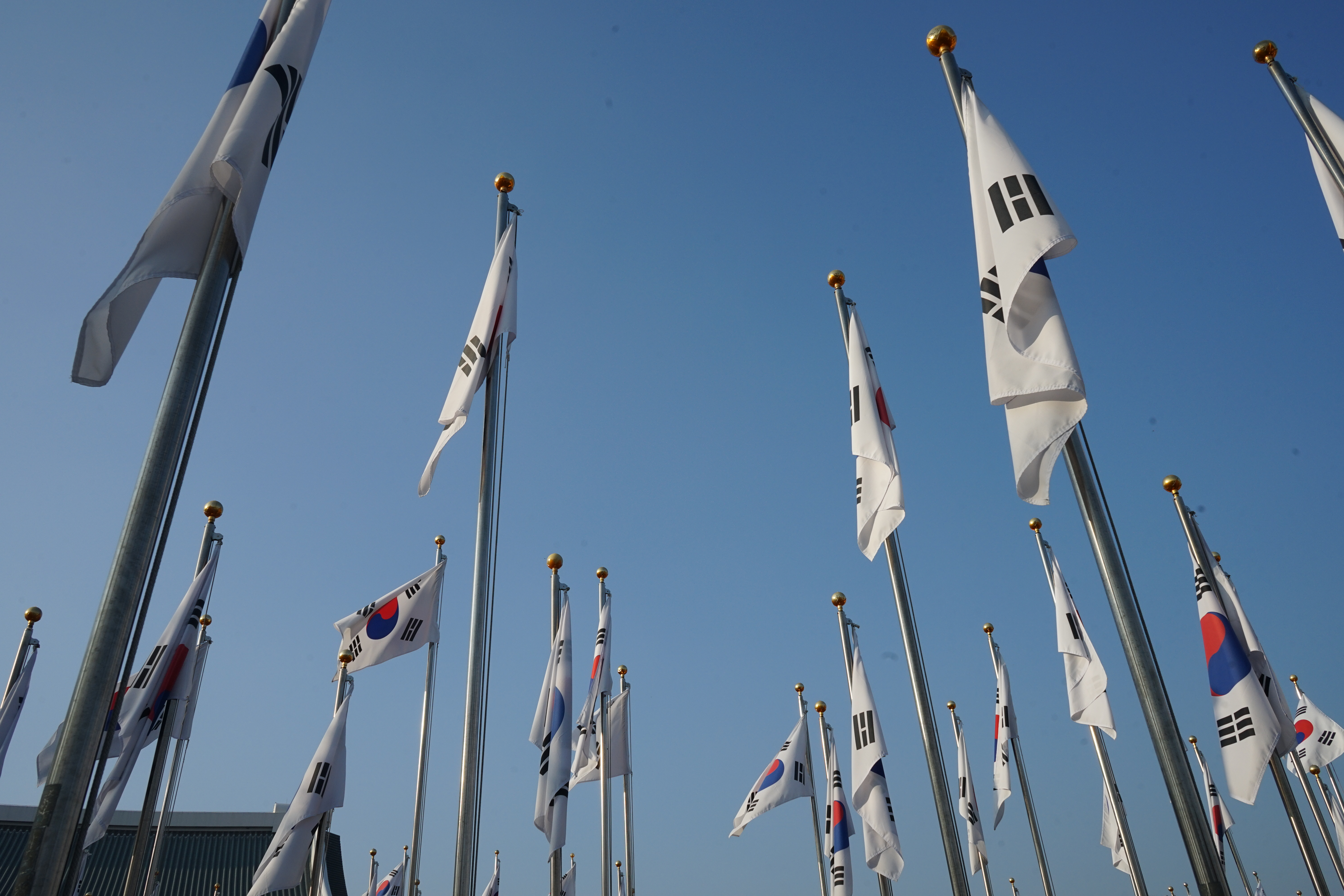
I was honored once again to serve as a judge for the 2023 Sejong Cultural Society Writing Contest. I particularly enjoyed reading the stories for the Adult and Senior division–I don’t spend nearly enough time reading translated fiction, and both stories were fascinating. It’s always interesting to read the folk tales for the Junior division, as well as young folks’ interpretations.






 Robert Yune