My Story Collection

My Story Collection

 Mother

I’m very happy to announce that my first story collection, The Architect’s Daughters Plan Their Escapes, is complete.

It is “a themed collection of eleven stories about sensible, occasionally brilliant women navigating worlds littered with reckless men, hidden dangers, and unexpected opportunities.”

I really wanted to work the word “outrageous” into my query letter, but it didn’t fit.  As in “navigating worlds littered with outrageous reckless men.”  I’m somewhat heartbroken about it.  Technically speaking, I started writing this collection in 2004, if you can believe that.  I was an undergrad then, and that first story was about a young woman who experiences a miracle while driving to Lancaster.  Stranger things have happened.  I’m sending it out the collection early next week with my fingers crossed.  And a tremendous amount of gratitude to Michael Byers, Cathy Day, Geeta Kothari, David Lynn, and Chuck Kinder for their help and guidance.  And to my colleagues who helped workshop these stories.  I couldn’t have done this without you.

image from Virgin Media.

My Summer in Cell Phone Pics

My Summer in Cell Phone Pics

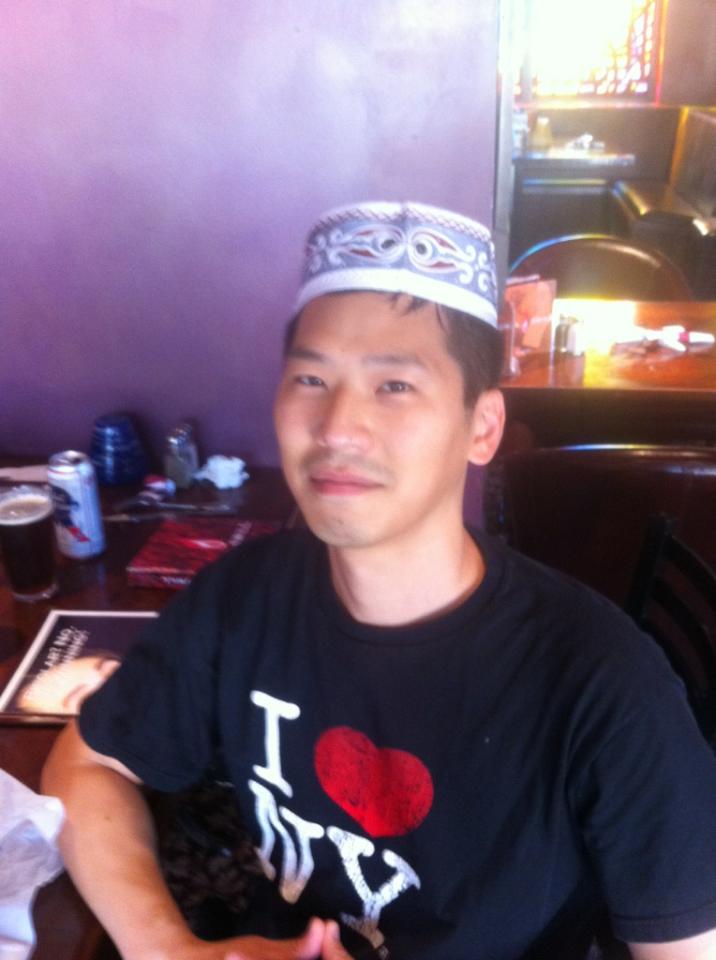
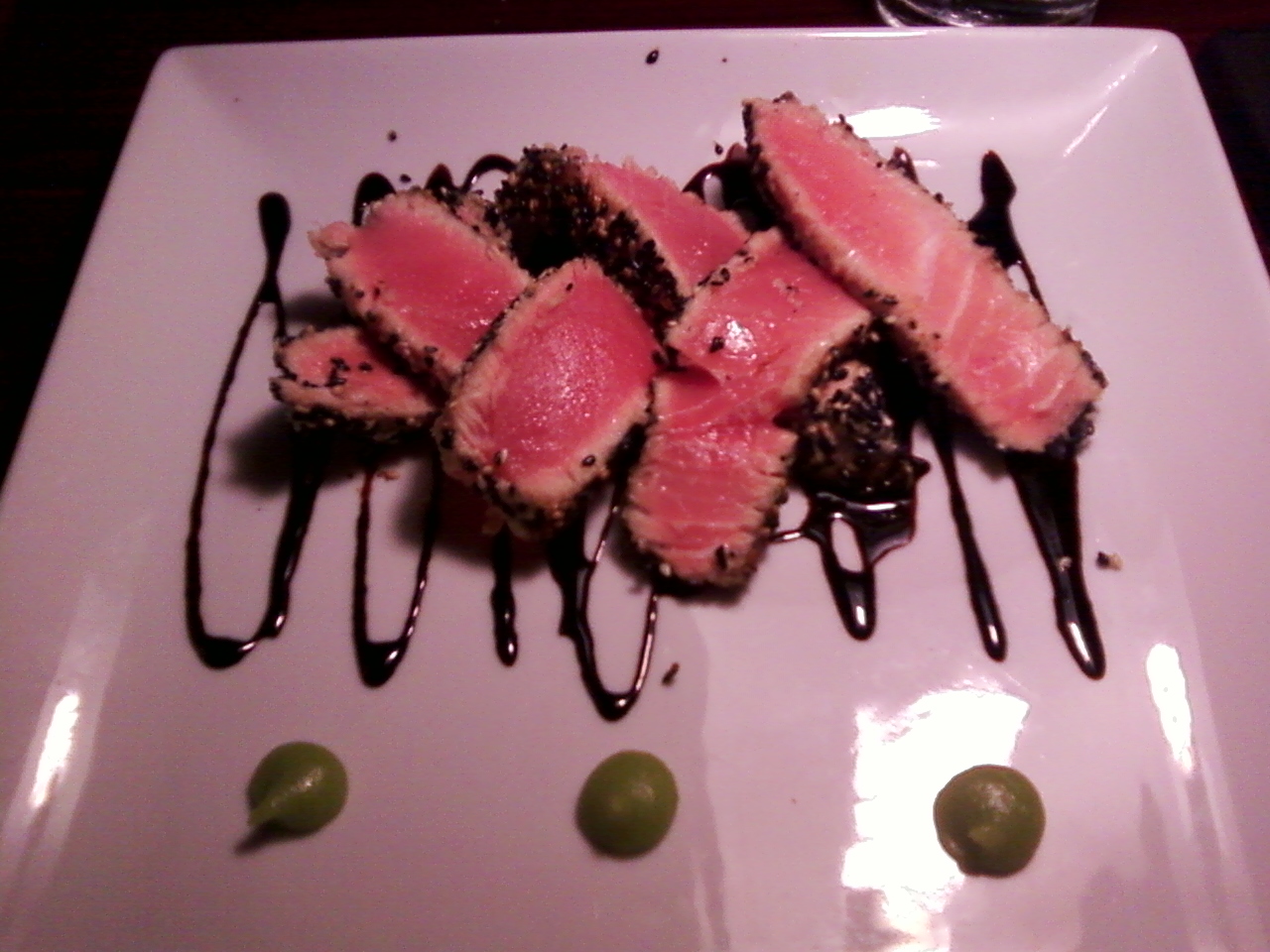
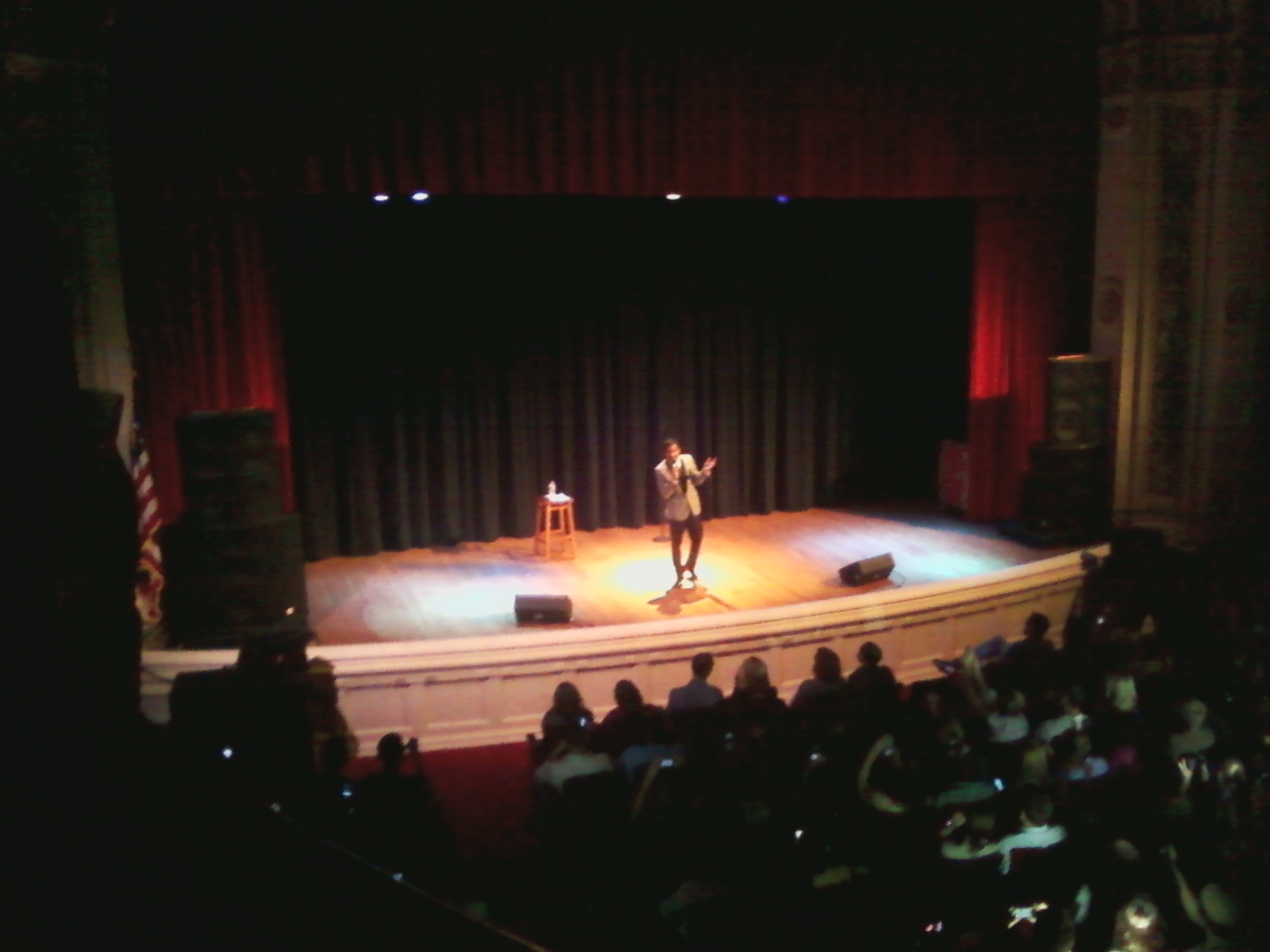
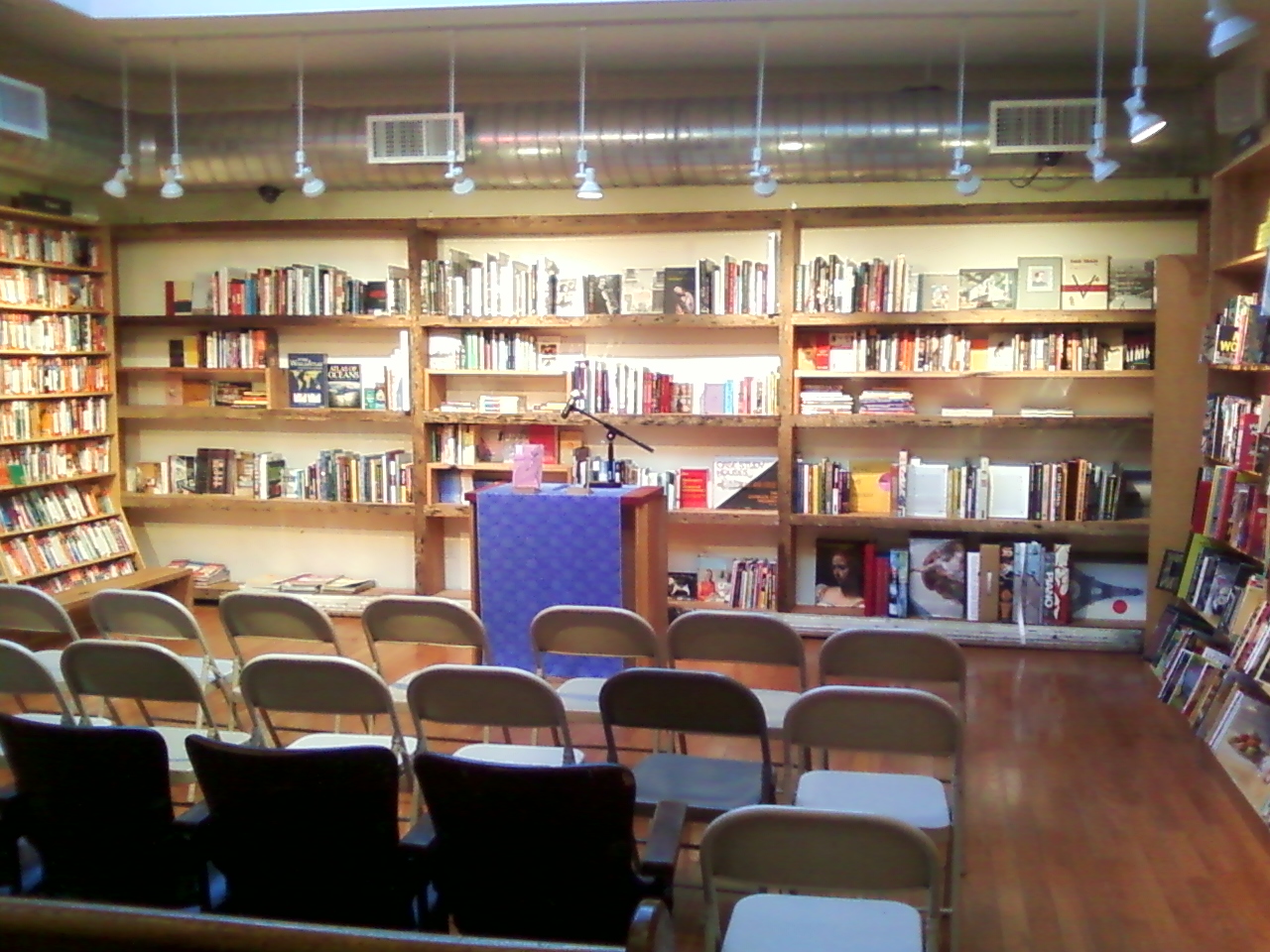
Apologies for my .5 megapixel camera.  Much like the daguerrotype cameras of olde, one must hold it steadily for approx. 30 seconds. And even then, most of the pictures are blurry.


Themed and Interrelated Story Collections

Themed and Interrelated Story Collections

It seems like several of my students are working on themed or interrelated story collections, so I figured I’d post a list of some of my favorites.  They’re in no particular order, and I tried to give some context as to how the stories are related.  Feel free to add suggestions in the comments below.

Location-based Collections.  Stories take place in the same location, usually around the same time.

Once the Shore by Paul Yoon. Eight interconnected stories set on an island near Korea.  You can read the full text of the collection’s title story here.  

“The Coast of Chicago” and “I Sailed With Magellan.” Two collections by Stuart Dybek.  Stories set in Chicago’s South Side.  I Sailed with Magellan has recurring characters.

Volt by Alan Heathcock. Stories all set in the same farming town, from the pioneer settlers to the present day.

Close Range by Annie Proulx. Stories set in Wyoming.  “Brokeback Mountain” is the most famous story from this collection.  Annie Proulx won the Pulitzer in 1993 for her novel The Shipping News.

The Circus in Winter by Cathy Day. Stories set in a fictional town in Indiana where the circus and its workers once spent its offseason.  Technically impressive due to its range in terms of style and chronology.  For example, one story, “The Jungle Goolah Boy” is told entirely in documents and lists and another, “The Bullhook” spans over a century.

Winesburg, Ohio by Sherwood Anderson. Stories set in the fictional town of Winesburg, with recurring characters.  This collection loosely focuses on the coming-of-age of one character.

Dubliners by James Joyce. Stories set in “dear, dirty Dublin,” published in 1914.

Cannery Row by John Steinbeck. Interconnected stories set in Monterey Bay, California.  One could argue this is more of a novel, as the characters recur in different stories and vignettes.

Other Themed Collections

Among the Missing by Dan Chaon. Stories with a theme of missing people.  Among the Missing was a National Book Award finalist.  In my opinion, it’s one of the best collections publishedin the past decade.

Olive Kitteridge by Elizabeth Strout. The title character appears, to some degree, in each story.  Strout won the Pulitzer Prize in 2009 for this collection.

The Joy Luck Club by Amy Tan. Stories set alternately in China and San Francisco, all told in the first person POV.  This collection was on The New York Times Bestseller list for 75 weeks and has been translated into 23 languages.

Tabloid Dreams by Robert Olen Butler.  An interrelated collection inspired by wacky tabloid headlines.  For example, the heavily anthologized “Jealous Husband Returns in Form of Parrot” and “JFK Secretly Attends Jackie Auction.”  Although all stories are related by theme, some stories share characters and reference other stories in the collection.

Shakespeare’s Kitchen by Lore Segal.  I haven’t read Shakespeare’s Kitchen yet, but I did read “The Reverse Bug” and loved it.  Figured I’d include what the AV Club had to say about it.  From their article “The 10 best short-story collections of the 00s”:

One of the prominent recent movements in short-story collections has been to create books of interconnected short stories, the better to lull readers into thinking they’re reading a novel. (See, for instance, Elizabeth Strout’s Pulitzer-winner Olive Kitteridge.) Lore Segal’s Shakespeare’s Kitchen actually almost succeeds at this task. While all the stories are recognizably stories in their own right, the characters are so vivid, and the events so interrelated, that readers get a fuller sense of both the characters (a bunch of snobbish intellectuals) and the setting (upper-class Connecticut) than would normally be the case in a work like this.

Best story: “The Reverse Bug” pits Segal’s often vacuous characters against the question of great evil, of what might cause a people to commit genocide. The original version won an O. Henry prize.

Cut Through The Bone by Ethel Rohan.  A flash fiction collection with themes of literal and spiritual amputation.  Precise and haunting stories about trauma.

Vouching

Vouching

Things I Like:

Star Slinger, a relatively new producer/remixer from the UK.  Especially love the second video.

And finally, in terms of music, I’ve been listening to The Naked and Famous all summer.  The whole album is great.  It reminds me a lot of a teen summer movie, one with lots of beachside campfires, shots of empty football fields and wood-paneled living rooms.

I read the graphic novel “Whiteout” this summer (both volumes).  My favorite was volume one, which introduces Carrie Stetko, who is absolutely compelling as a damaged U.S. Marshal exiled to Antarctica.  And the art!

Photo courtesy of Steve Lieber’s website

The Walking Dead

The Walking Dead

Spoiler Alert: This post contains spoilers in case you haven’t read WD#87.


So, I was right about Carl.  I think it was really the only way out.  Also, it just makes sense.  Either he was going to die, which paints the writers into a permanent corner, or this would happen.  Memory loss is normal for that kind of trauma.  I’m just saying.  I’m hoping that Rick decides not to tell Carl about the unpleasant nature of the outside world and the rest of the community plays along.  At some point, though, some of Carl’s memories are going to return.

I was happy to see the return of the phone, although I’m really not liking this new version of imaginary Lori.

I’m proud to announce that I wrote my first comic book letter to the editor on July 30.  It reads:

Dear Robert and Sina,

So far, I like how the series has focused on the community.  It’s an interesting new dynamic.  The storyline about Abraham and Rosalita is falling a little flat right now because we know so little about them.  How did they meet?  Is there a story there?  I don’t even know what Rosalita did before.  I think a lot of the (Washington) D.C. characters have interesting backstories that haven’t made it onto the page yet.  I’d love to see some of Eugene’s flashbacks, too.

Love the series. Looking forward to seeing what happens with Carl.

 – Robert

Not sure what kind of response this will get.  My main memories of comic books go back about ten years, to furious letters during the “Knightfall” Batman story arc.  I remember one that said, simply, “You guys stink” and a more thoughtful one about how the comic was wrong because Batman knew when to ask for help and wouldn’t have faced Bane alone.  I guess he had a point there.  I miss Azrael, although I suspect I’m the only one.  I’d imagine he’s been doing exciting things in the 10 years since I’ve picked up a comic book.  

Also, a lot of people were upset that one time Superman died. 

As I said, I’ve only recently gotten back into comics.  I really liked the AMC series The Walking Dead and my buddy Sal said the comic book had a slightly different storyline, which intrigued me.  And I have a soft spot in my heart for Image comics.  Gen13 and the WildC.A.T.S were a big part of my childhood.

It’s all coming back to me.  I also fondly remember envelope art.  I kind of wish they’d bring that back.  Some of those kids were talented.

Image from ComiXology.com

My Whirlwind Tour of Cleveland

My Whirlwind Tour of Cleveland


My friend and former classmate Aubrey Hirsch is from Cleveland, and she keeps telling me that the city is wonderful and that it’s made out of mermaids and rainbows.  And sometimes, truffles fall from the sky.  So when I got the chance to visit the city for part of Dogzplot’s summer reading tour, I jumped at the chance.  

The part of Cleveland I drove through was pretty rough.  I saw a cop waiting for the bus, carfuls of angry-looking shirtless men, and several private armored security vehicles.  It was a lot like the movie Robocop, except without the robocop.  Eventually, we left that part of the city and found a pleasant industrial neighborhood surrounded by old factories and water towers.

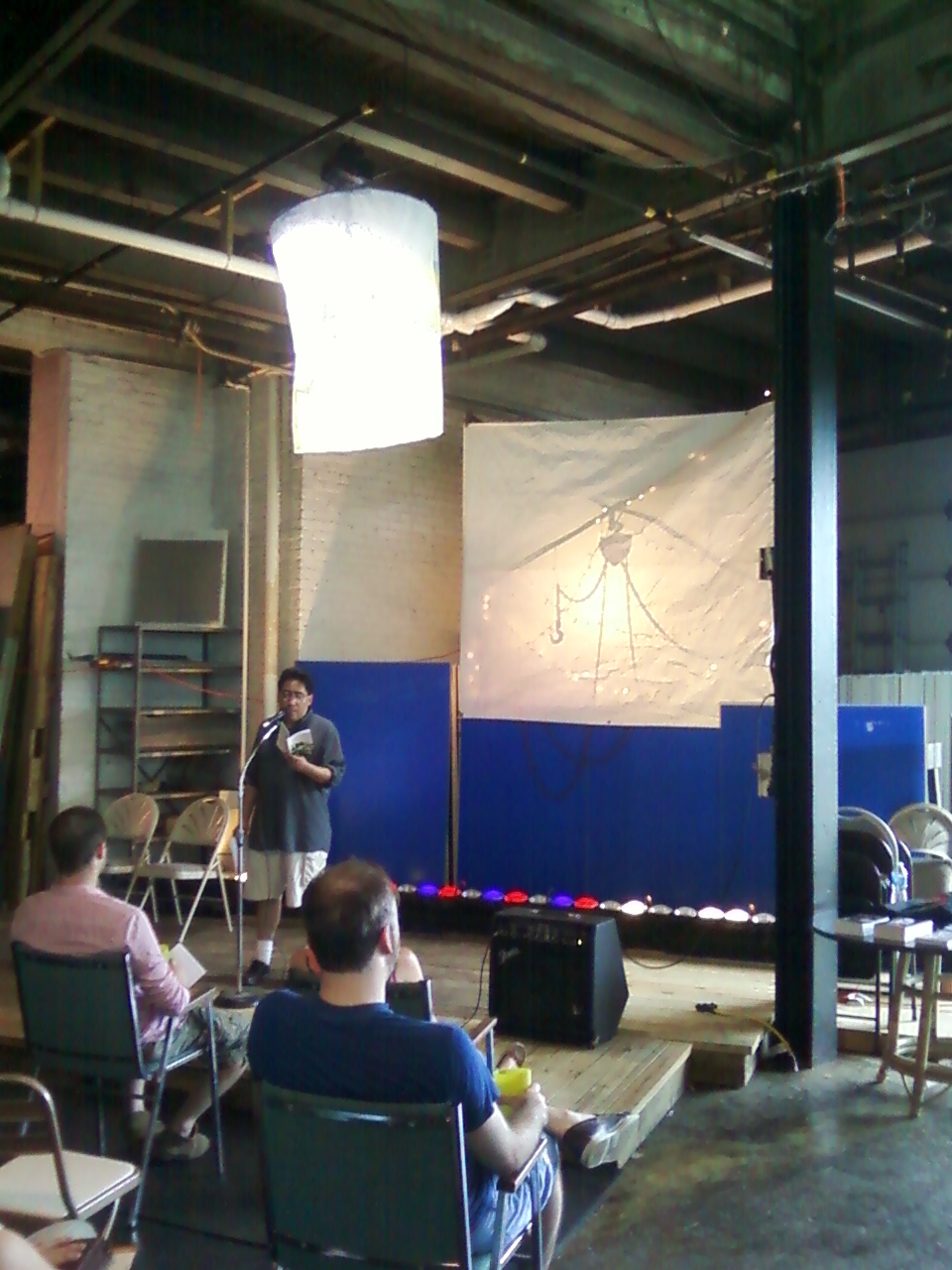
The reading itself was in the Morgan Conservatory, which is a great space.  It reminded me a lot of the high school art room, with a row of impressive art prints leading into a warehouse-sized room full of printing presses, mannequins, tables, and scattered cabinets full of art supplies.  Highlights of the reading include, of course, the impeccable Aubrey Hirsch and the handsome Devan Goldstein (or is it the other way around?); Steve Kowalski reading the hilarious and sad piece “When Cleveland Wins the Super Bowl”; and Andrew Rihn’s rustbelt poetry.  I picked up copies of Rihn’s chapbooks The Rust Belt MRI and Foreclosure Dogs, and I’m loving them: they’re clever and sad, steeped in the darker shades of Americana.

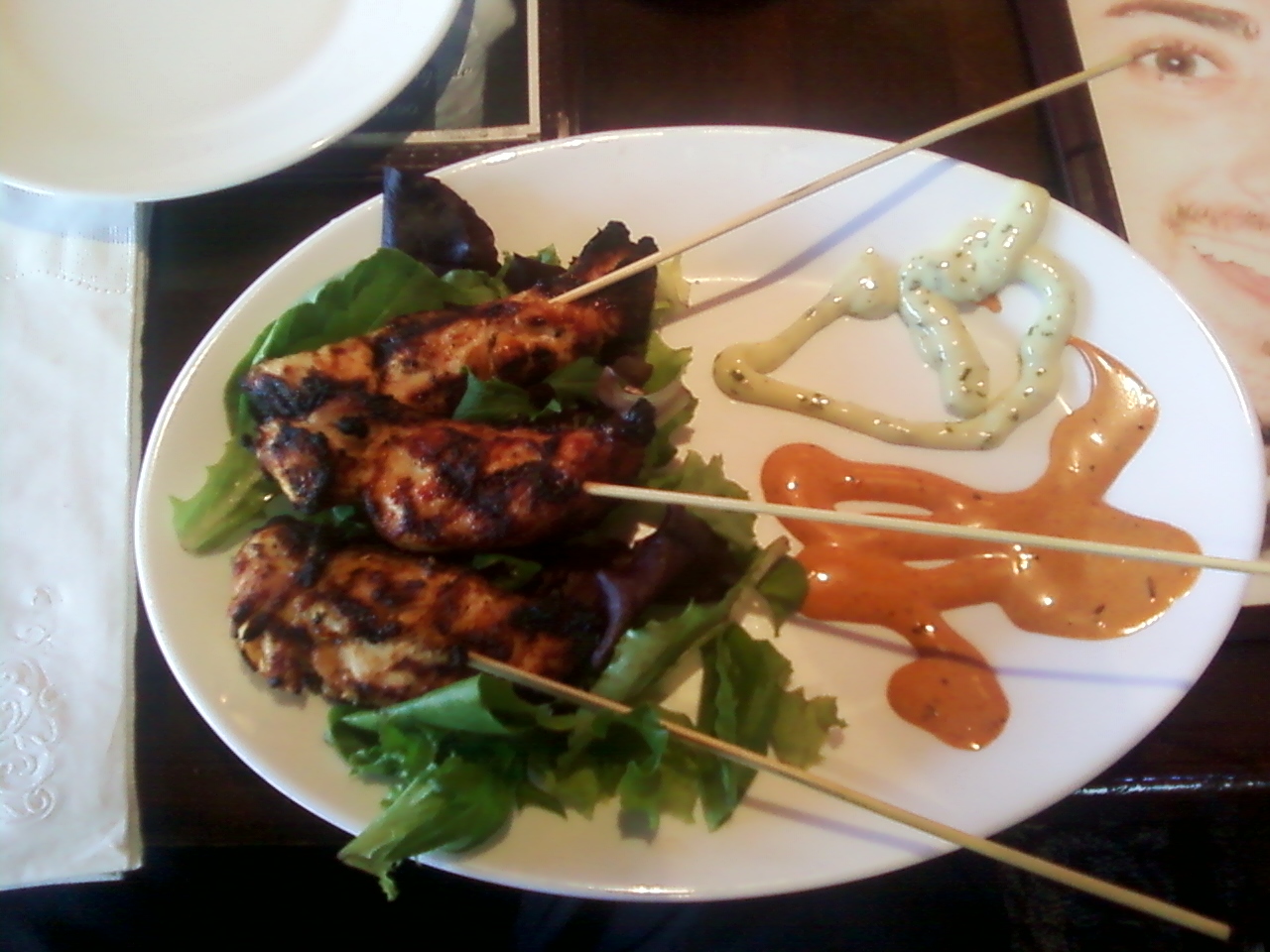
Afterwards, we went to the wonderful (and wonderfully-named) Prosperity Club.  They had great fish and chips, and my buddy Sal got the Reuben on Potato Pancakes, which is described on the menu as “House cooked corned beef, swiss cheese, sauerkraut and thousand island dressing between two potato cakes.”  Basically, the city’s equivalent of the Double Down.  Sal said it was delicious, and I’ll definitely order it the next time I’m in town.  So, basically, Aubrey was sort of right: Cleveland’s streets might not be paved with singing glitter and there weren’t t-shirt cannons shooting cheeseburgers at us, but it’s definitely a pleasantly surprising and underrated city.

Original Cleveland sign photo by Flickr user Nodame

Things I’ve Learned from Literary Fiction, part one

Things I’ve Learned from Literary Fiction, part one

1. It is possible to stuff a cat in a basket and drive with it for several hours.  Until suddenly, it isn’t.  “A Good Man is Hard to Find,” Flannery O’Connor

2. It is unwise to accept rides from strangers who have been smoking hashish.  “Car Crash While Hitchhiking,” Denis Johnson

3. Female enemies are easily destroyed.  “The Catbird Seat,” James Thurber

4. Life is a series of disappointments, ultimately culminating in misery and despair.  Revolutionary Road, Richard Yates

5. Love endures.  “A Rose for Emily,” William Faulkner

6. Resist the urge to chuckle if you are a bank robbery hostage.  “Bullet in the Brain,” Tobias Wolff

7. Hair grows back.  “The Gift of the Magi,” O. Henry

8. Heroin is bad.  “Sonny’s Blues,” James Baldwin

9. Your dog will abandon you in the hour of your greatest need.  “To Build a Fire,” Jack London

10. Discussing abortion, even in an exotic locale, can be fraught with tension.  “Hills Like White Elephants,” Ernest Hemingway

Feel free to add your own in the comments.

The Office, The Walking Dead

The Office, The Walking Dead

You know, as much as I enjoyed the season finale of The Office, I couldn’t help feeling a little disappointed about my options.  I just couldn’t imagine any of them really being interesting enough to carry the show.  I think James Spader will be an interesting boss, although he seems more creepy than funny.  (According to Wikipedia, anyway, Spader is going to be the boss in season 8.)  Personally, I would have preferred Jan to return as the boss, or even David Wallace (and what a perfect name for a CEO, and that character, too).  I miss both of them.

*Spoiler alert if you haven’t read the past few issues.  On the other side of the entertainment spectrum, I have a prediction for what’s going to happen to Carl in The Walking Dead.  My prediction is that he’s going to wake up from his coma and not remember anything.  Although some people claim this probably won’t happen (too soap opera-esque), I think it would be the most interesting option.  If Carl dies, then Rick will most likely go into supervillain mode and destroy the town.  I guess the last panel of issue #86 kind of predicted this: whenever anyone says something like “I think this is going to work out” in this series, that means bad things are coming.  But if Carl lives and is blind in one eye, that seems like a bit of a wasted opportunity.  If Carl has forgotten the past year and Rick has to choose what to tell his son about his mother and the past, that would be an interesting moment.  And in some ways, it would be a blessing: Carl wouldn’t remember Shane or Ben, for example.  That’s my prediction, and my hope for that storyline. 

I also kind of hope something else happens.  For the last two issues, it seems like the main action has just been carrying out Rick’s plan for zombie-proofing the town, which we’ve already heard about, in detail.  Part of me is hoping for a flash-forward, maybe a month or two.  Issue #87 could start with Rick giving his amnesia-stricken son a tour of their new town.

The day after tomorrow, I’ll be returning with a new series: Things I’ve Learned from Literary Fiction.  Stay tuned!